




COMMENT | Of academic quality, integrity and predatory journals
COMMENT | The recent controversy surrounding an article written by two academics Rozita Che Rodi and Hashim Musa from Universiti Putra Malaysia (UPM) has put the crucial issue of academic quality and integrity in our country under scrutiny.
Rozita and Hashim, both from UPM’s Malay Language Department, had jointly written the article titled “The Jongs and The Galleys: Traditional Ships of The Past Malay Maritime Civilisation” which was published on Nov 19, 2023, in the International Journal of Academic Research in Business and Social Sciences (IJARBSS), Vol 13, Issue 11, 2023.
Like most publications of its kind, it may well have passed unnoticed by the wider public, if not for Serge Jardin, a French writer of history.
In a Facebook post on Jan 20, Jardin alleged that an image used in the article by the UPM academics to represent a model of Malay jongs is actually a hua-p'i-ku or a Foochow pole junk from China. The Foochow pole junk is a cargo-carrying junk with a capacity of 200-400 tonnes, and capable of long sea voyages.
Jardin further alleged that the model in question is not displayed in the Bahari Museum in Jakarta, Indonesia as stated by the authors in their article, but rather, is in the Royal Museums Greenwich, London (ID: AAE0200).
At the same time, Jardin went on to question whether the journal in which the article was published was credible and peer-reviewed.
Jardin’s comments are very serious and disturbing. They go to the heart of...


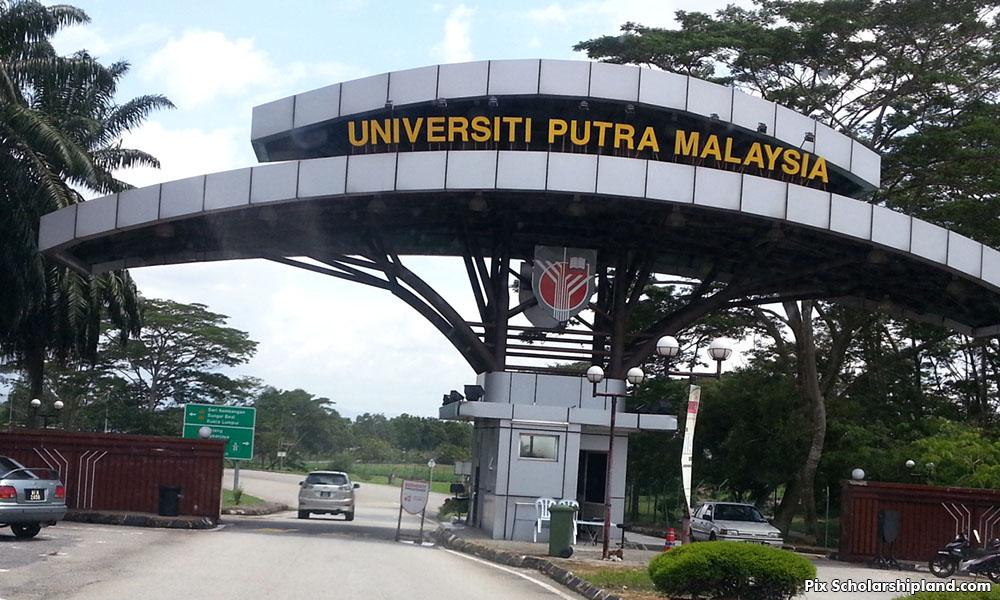


Sadly, a large number of Malaysian academics (particularly young and inexperienced scholars) are guilty of publishing their articles, which often lack depth and do not contribute to new knowledge, in predatory or fake journals. Perhaps, the Ministry of Higher Education should take the initiative to identify and blacklist the predatory journals, and strictly prohibit Malaysian academics from publishing their works in such journals. More importantly, meritocracy must be more widely embraced in our universities. We must take heed of the late Tun Arshad Ayub's warning in January 2021 that there are about 2,500 "kangkung professors" in Malaysia.
Report this comment
Are you sure you want to delete this comment?
This action cannot be undone.