


From humble beginnings to USM's first Orang Asli faculty dean
MALAYSIANSKINI | Earlier this month, news broke that Prof Bahari Belaton had been appointed dean of Universiti Sains Malaysia’s School of Computer Sciences. More than a reward for his hard work and scientific expertise, it was also significant for another reason – as a Semai, Bahari was the first Orang Asli to reach that level of academia in the country's history.
Trained in Australia at the South Australian Institute of Technology (1989) and Flinders University (1991) before obtaining his PhD from Leeds University (1995) in the UK, Bahari has served with USM for 24 years and is known for his work in scientific data visualisation, computer graphics, and network security.
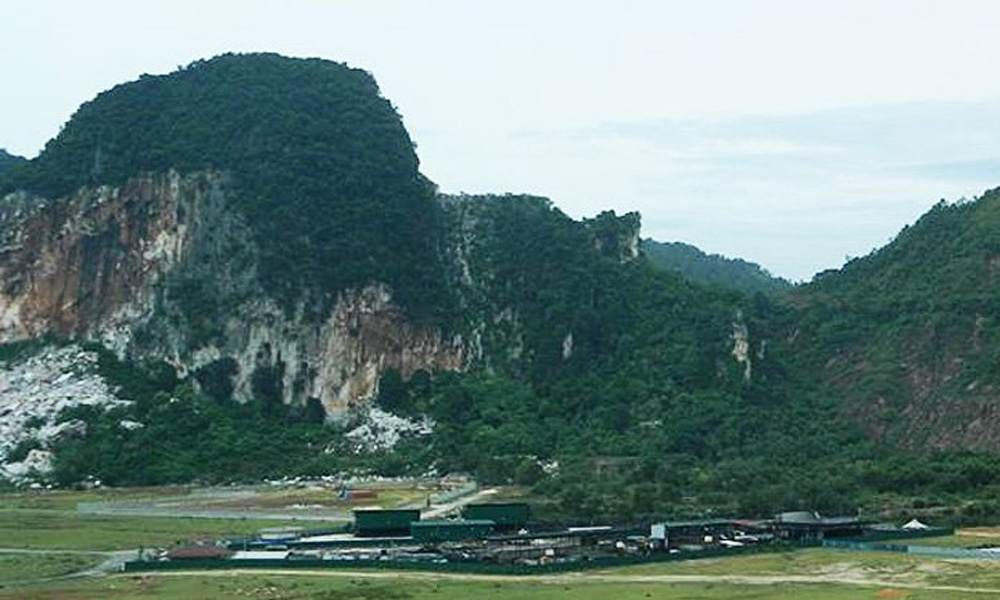
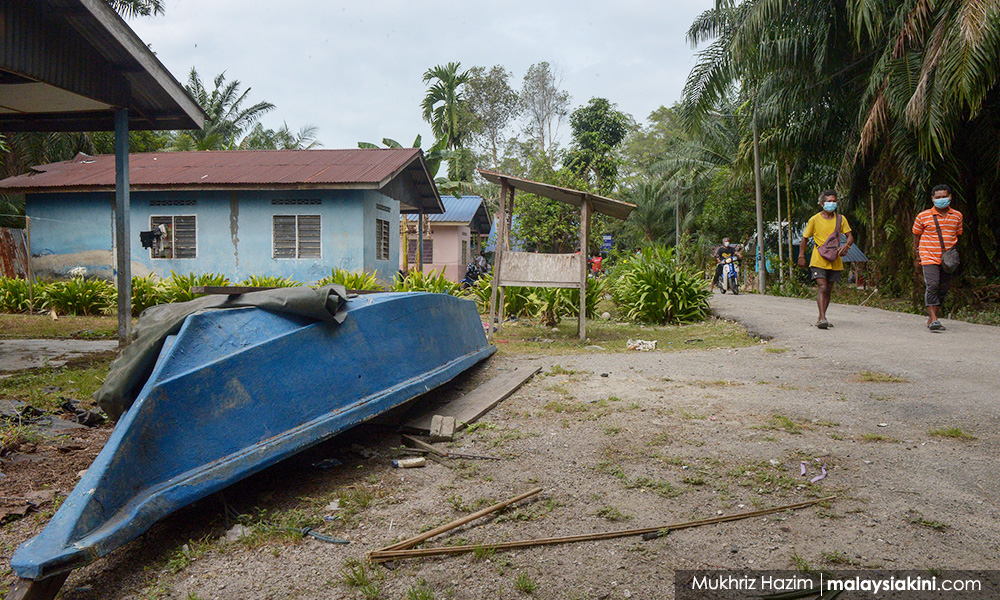
Bahari (above) has come a long way from the boy who was born in the late 1960s in an Orang Asli village in Perak’s Kinta district and who lost his father and most of his seven siblings at a tender young age. Now a father of four himself, Bahari has never forgotten how his mother struggled to earn a living to provide for her two surviving children.
He kept plugging away and has remained true to his roots, visiting his home village at least 10 times a year. He has managed to keep his feet firmly on the ground while doing pioneering work in his field.
This is Bahari’s story, in his own words:
THERE WERE A FEW SIGNIFICANT TURNING POINTS IN MY LIFE
They surfaced at different phases and it is typical to note them only in retrospect. Let me start with the period during my secondary school days, my first turning point was perhaps my envy of the 'achievements' of people I observed.
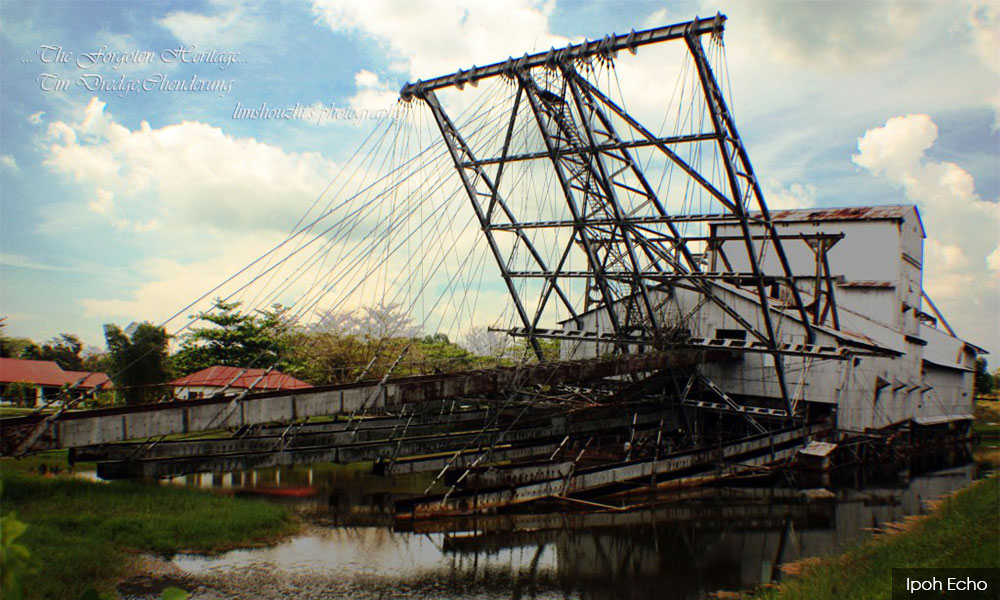
In particular, there was this community of 'engineers' or blue-collar workers at a nearby tin mining company known as the Malaysia Mining Corporation. The company built housing for these workers - locals (Indian, Chinese, Malay) and foreigners - next to my village. I would imagine how children of these 'engineers' would have studied, in a cosy environment, doing their school homework.
I took the opportunity to help out a Chinese vegetable and fish seller and I would board his pick-up truck by 10am complete with school uniform (afternoon school session normally started around 1pm), and went around the bungalows of these engineers. My observations and ambition to be like those 'well-to-do' people was my main turning point at that stage.
I also started my primary and later secondary education in a school with multi-racial pupils – this may have given me the exposure to various races very early in my life and prepared me mentally to make friends and socialise with other races...




Report this comment
Are you sure you want to delete this comment?
This action cannot be undone.